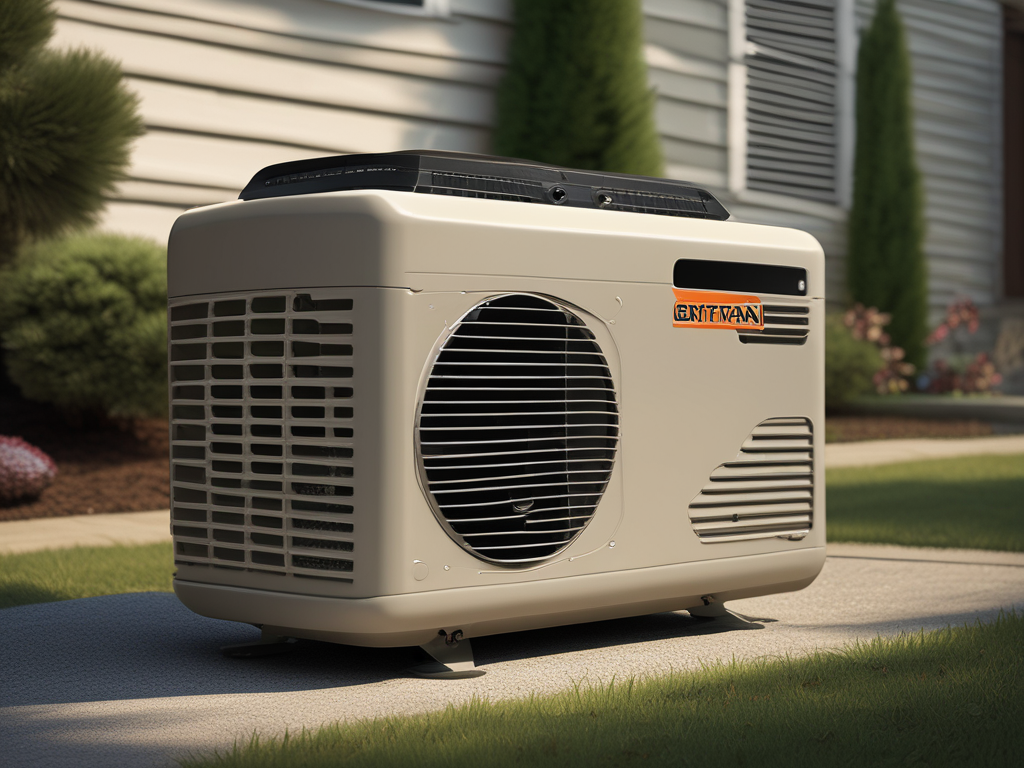
I know, I know; with things around the world getting more and more wild it seems like everyone is on a whole house generator kick; and while I do think they are the right choice for the right person, there are options when it comes to backup power that could possibly provide a better solution for less cost, and I’m going to tell you about them in this article.

I’d Like The Security of a Backup Generator, What Should I Get Then?
When it comes to backup power generators, there are three main types that you could consider for your home: a natural gas powered whole house generator, solar power, and a pull start (usually these have starters now) gas or propane generator.
I actually think each of these options has its own great benefits which I will break down, and would be a good fit for the right person; but to get to the what I think is the best overall solution, I would personally go with a gas or propane generator combined with an interlock kit system that backfeeds your home’s breaker box.
What Are The Benefits of Each System?
Whole House Generators

Whole Home Generator systems are really cool, but they come along with the highest up front cost in return for convenience of all three generator systems.
Whole house generators honestly provide a great all around backup power system for your home. They tie directly into your natural gas line so you don’t have to worry about getting fuel for it, and they generate the most and most reliable power out of the three options I cover in this article.
They’re nice in the sense that they are kind of a fire and forget type of system. Once you have it installed, it will automatically perform maintenance runs once a week or so; and with the automatic transfer switch that gets installed next to your meter, it will turn on automatically a minute or two after a power loss event.
If you look up a 26Kw whole house generator on Home Depot or Lowes, though, you’ll see that it costs around $6,000-$7,000, which is a pretty steep price in itself, but this does not include the other materials or labor that it’ll cost to actually get it installed, which can nearly double this price.
Installing a whole house generator is similar, electrically, to replacing an entire breaker box system in itself. The main power to the house feeds into the transfer switch first, and then to your main panel to be able to switch incoming power loads on demand. This also essentially turns your main breaker box into a subpanel, which usually requires moving around most of the wires in the box for it to work properly and be up to code standards.
All in all, I do like the reliability and ease that come along with whole house generators, but with such a steep up front cost, I honestly have a hard time justifying the purchase. I think that the actual reality of how infrequently we use our generator systems ends up with a lopsided cost to run time ratio. Let’s say you lose power for two days per year, then in that case you’re essentially paying $1000 per year for 6 years just to run your home for a couple inconvenient days.
The people I think who should absolutely consider this as a backup power solution, however, are people who have nonnegotiable power needs. If you have a family member in the house who needs some sort of lifesaving medical equipment to be on and running, or if you run a server system that cannot go down or something like that; I think a whole house generator actually would be a really great fit for you.
Solar Panel Systems

This is the section of the article that I have the least amount of personal experience with, and so I will lay out my thoughts on solar panels and let you decide what you think from there.
If you’re looking for the ultimate solution to self reliance; solar panel systems are the way to go, and in some ways this certainly makes them the coolest option.
There is a lot that goes into them though, and they only work well if you have a lot of strong sun; and that in my opinion makes them a bit prohibitive and only worth it to the right people.
Solar panel systems cost a lot, and require a lot of space. Solar panels are hands down the most expensive backup power option out of the three listed here. Installing them is like putting in a substation on your own property. It requires the panels, themselves; but also requires space in your home for backup batteries for when the sun is down, and the same whole new transfer switch power system for your main panel. The tradeoff is that they are usually such a big project that you can get financing and local power company incentives along with them.
If all of these requirements work for you, though, I think they are extremely cool. They are a fire and forget – never worry about it – power system that grants a great level of self reliance and removes any major worries of being stuck.
The other great benefit to solar panels is that they offset your home’s electric bill; at least in the summer months here in Pennsylvania. With a solar panel system, you are generating your own electricity, and after your backup batteries are charged up the new transfer switch and meter allow you to send the extra electricity right back to your local power company for distribution to your neighbors.
Solar Panel systems cost the absolute most of the three options in this article, but you can find some good incentive programs to help offset the cost of financing for getting a new solar system installed and the financing itself helps spread out the cost so that you don’t have to pay everything at once. In my opinion, they end up being a bit of a financial wash in terms of whether or not you get any money back, but it is certainly helpful to have any bit of money coming back on a major purchase like this.
All in all, I like solar panels if you have space and are set up to get them. I think that they are definitely worth considering, but I would still personally go with the last option below for a backup power system.
Gas or Propane Generators

Finally, we come to the Holy Grail of emergency power solutions: the gas or propane powered portable generator system.
I know you get the point by now, but these are in my opinion the best backup generator option for the most amount of people.
Gas powered generators provide the best bang for your buck, being able to power all of your home’s essentials and even a few luxury circuits, for the least overall and upfront cost.
They usually come in 30amp and 50amp options, which is enough power to cover all of your home essentials. Keeping the food in your fridge and freezer cold, your furnace on, and the well running with no problems. It really depends on what all you would like to keep powered, but I would usually recommend the 50amp option as it doesn’t cost that much more to get, and the extra 20amps provide you with so much wiggle room in terms of what you’d like to run.
Interlock Kits


Probably the coolest part about the gas or propane generator option is that you can have your electrician install an Interlock Kit for you. This is a system where you can have an inlet somewhere on the outside of your house to plug the whole generator into, and have it send power back into the main panel itself to power up whatever circuits you want to have on.
It is very important to have the actual interlock installed along with the inlet that you can plug the generator into. That is the plate in the pictures above that goes onto your breaker panel cover; which makes it so that your main breaker and the generator itself cannot be feeding power into your house at the same time. This is a safety feature that protects both the lineman working on the power lines and you in the case of both ends of power coming in and meeting where you don’t want them to.
What’s nice also, is that they usually come with a step by step generator instruction sticker that goes right onto your panel cover door, so you won’t have to worry about remembering what to do to get everything up and running.
This is really nice though, because it allows you to turn your whole breaker panel into a transfer switch, saving you a lot of money and your electrician a lot of effort in not having to actually wire over a bunch of circuits into a separate box.
While its true that the gas generator and interlock kit system require manually hooking it up and turning everything on, I sincerely think that this combo provides the best all around backup power solution at the most affordable cost; and allows most people to cover anything they would really need and want if they lost power for a few days.
Conclusion
I hope this breakdown of the three major backup power systems has helped clear up some of the questions you may have about different options, processes, and what to expect when you go to get your own system installed.
As I’ve said throughout this article, I think that each one of these backup power solutions really does have its ideal customer and its place. All three: Whole House Generators, Solar Panel Systems, and Gas or Propane Pull-Start Generators each have unique benefits that make them viable choices depending on your individual needs and preferences.
Both Whole House Generators and Gas or Propane Generators are noisy and require fuel, which can be an upside on a cloudy day; and Solar panel systems are quiet and independent, but require specific conditions to work well.
Whole House Generators and Solar Systems are both much more expensive but much more robust.
Pull-Start Generators require you to go out and get their fuel, and are not automatic like the other two.
Overall, though, it seems like a no brainer to me for the average homeowner to get themselves a portable and small Gas or Propane Generator system that will cover all of their essential needs; providing the peace of mind and security of a backup power system while still being relatively low cost and easy to set up.
As always, with any of these options, though, I would recommend calling out an Electrician before you make any purchases to give your home electrical system a look over and advise you on your different individual options specific to your home and an estimate for how they could best help you.
I hope you found this article helpful, and that it clears up some of the questions you may have had about backup power systems. If you have any other questions please feel free to leave them in the comments on social media and I will get to them. If you liked it, please go ahead and like my facebook page. I’ll be answering all of the most commonly asked questions and worries as time goes on.